
Traffic-free roads and accessibility to federal wealth; Abuja is a dream for many high-dreaming Nigerians. Its citizens have a laissez-faire attitude to life, as they are less likely to develop a grind culture. Despite its relaxing and lucrative spirit, Abuja has tried and struggled to become a fashion capital, and that in itself might be why.
A fashion capital is a city, recognised globally, for creating trends and subcultures, hosting in-demand fashion events, and promoting innovation in the industry. Nigerians checked these boxes in the early 2000s, with the city’s style caricatured in the nation’s film industry. However, it wasn’t until the late 2010s that the international world got wind of this. Overnight, Nigerian designers were popping on lists like Business of Fashion 500, LVMH Prize finalist, and Dazed next 100. This attention can be liquidated. Nigeria is no stranger to oversaturating a cash cow, and fashion has become one.
This is evident in the scores of fashion events held between October and December. While GTCO Fashion Weekend is the most successful (It has hosted an array of big names, including Mowalola, LaQuan Smith, and Law Roach), the average Nigerian bank has its version of a fashion event. Vogue favourite designer, Kenneth Ize, did famously try to make Style by Zenith [Bank] a thing.
Tap to read more on GTCO Fashion Week and its branding crisis.
However, most take place in Lagos, or at least the ones that make it into Vogue. This international recognition goes beyond Vogue, with renowned figures like Michelle Obama and Theresa May donning homegrown brands. But if you took a coin toss to discover what brand is being endorsed on a global stage, the tail will always land on a Lagos brand.
Lately, Abuja has been contributing to this by having a handful of fashion events coinciding with the fashion season. It seemed to be gaining momentum when Street Souk created an Abuja chapter. All the ingredients are laid out: The intent, the brands, the location, and the financial support. But none of these could 100% answer the most important question: Will the journalists and buyers, who in turn create the fanfare, come? To dive further into that ice-berg, will they keep on returning?
The Abuja Problem
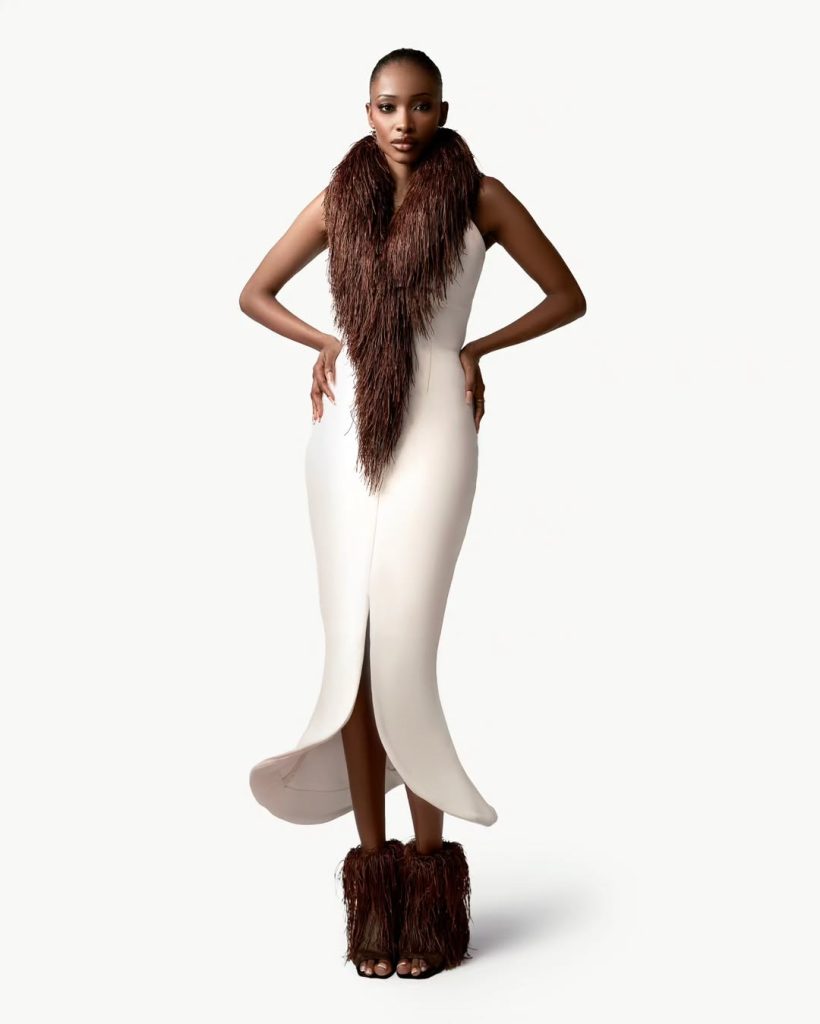
In the i-D’s CONFESSIONAL zine, fashion writer Brenda Wiescher writes, “If your name is mentioned at a dinner party, could people have a heated discussion about you, or would the conversation die down within two minutes?” She is talking about how controversy adds to one’s social currency. However, this metaphor bears parallels with the fashion industry, because in fashion, the worst thing isn’t to be bad or good; it is to be boring, and Abuja is not a controversial city.
Abuja is a city that whispers, an action attributed with wealth, a befitting verb for the nation’s capital. However, career advancement in Abuja and Nigeria is made through relationships and networks; merit comes second. This sets the scene for the city’s social climate, one where the average person has political aspirations and visibly postures for it.
I’ve found myself in Abuja, The Buj, if you’re cool, for work and pleasure, in a handful of years. I go there to get away from the Lagos noise because it’s the closest vacation-on-a-budget. It is also a city that occasionally calls for work. One saw me crashing there as a stop before planning to cover the first Alté convention in Kaduna (didn’t eventually make it), and the rest were to cover fashion shows. The more I visit, the better my Abuja cosplay gets, a character that everyone in the city centre seems to put on. It is subtle, the soft-spokenness, the love of head scarves and the obsession with wearing traditional clothes everywhere, including the club.
Tap to read more on Kaduna’s first Alté convention
The visual message is direct; it is a city of modesty and conservation, but often places are more than what they seem on the surface. But as I watch the audience mock and laugh at the models, flown from Lagos, with emphasised struts, the underneath becomes clear. The Abuja crowd is not comfortable with loud expressions of oneself… a crucial requirement for fashion capitals.
Fashion feeds off the high society and the tortured hopefuls. Paris is the city of romance, but also has allegations of sexual freedom that it can’t shake off, and a history that makes everyone take several turns. Tokyo was deeply affected by World War II, and teenage girls sought solace in fashion. The nation of Japan wasn’t on the morally right side of the war, and that gloom hung over them. The cities are as beautiful as they are, imperfect, and hence, very human.
It’s easy to personify a place that casts a reflection for itself. Lagos finds itself as a muse to many, and an enemy to some. It screams, rarely sleeps, everyone is mad, and yet they party like there’s something to celebrate. It is easy to put that on a canvas, and brands like Wanni Fuga, Odio Mimonet, GËTO, Garbe, and Tia Adeola have done just that.
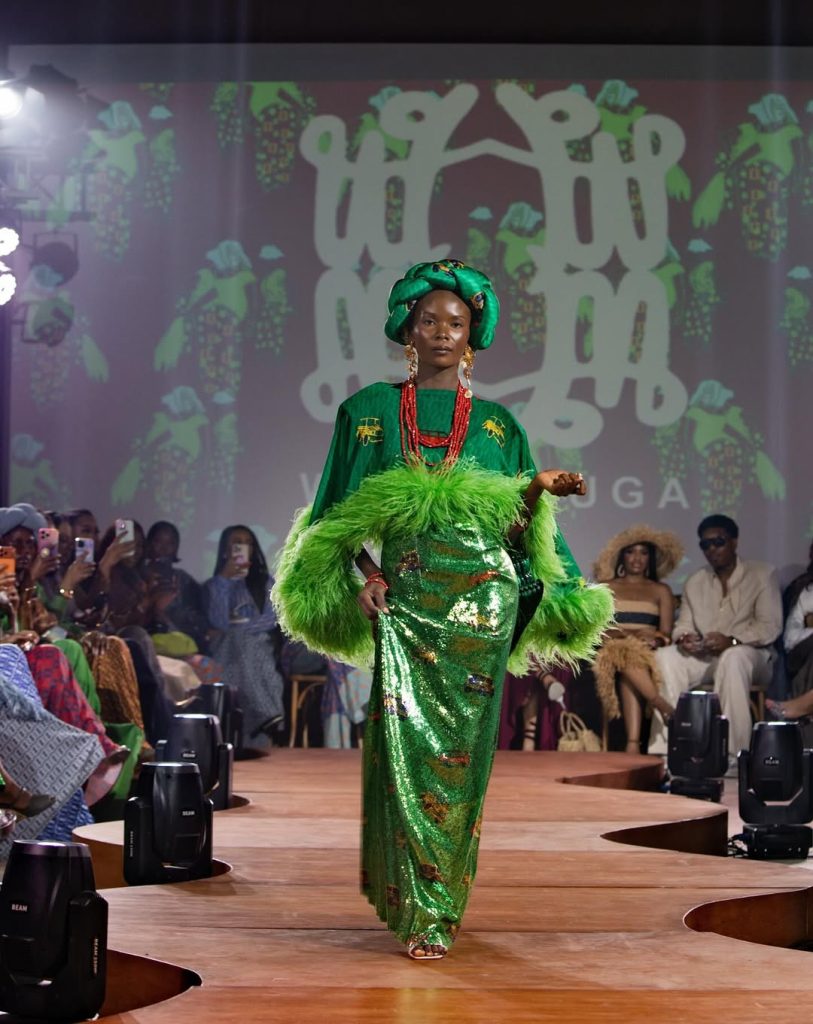
Another angle that heavily influences fashion is the heritage one. For example, Margiela Tabis are a reference to the samurai of Japan; it is a way to signal both exposure and culture. The Alexander McQueen AW95 collection, Highland Rape, explores the atrocities committed against Scotland by the English. In Nigeria, brands like Hertunba, Emmy Kasbit, and Onalaja use textiles and silhouettes to connect the audience to their hometowns.
Onalaja uses beading techniques to allude to her Edo roots, and Hertunba offers a modern take on the Akwete weaving of Abia state. But Abuja designers seem to shy away from these deeply personal explorations of creativity, opting to use adjectives like luxury and timeless. But adjectives are not narratives. The striving for perfection, in an art that is built on the backs of the political, the controversial, the intellectual, and the misfit, is forgettable.
We’ve seen luxury a million times, and nothing can count as timeless in a city less than a hundred years old. But what’s the pulse? What’s behind the bubus and 40% silk dresses? What’s the story that will have guests storming out and yelling “toh”?
Orange Culture was one of Nigeria’s first gender blending brands. Street Souk caused a youthquake, and Kenneth Ize turned Aso-oke into high fashion. The SS26 Lagos Fashion Week saw designers use fashion to convey a multitude of stories and emotions.
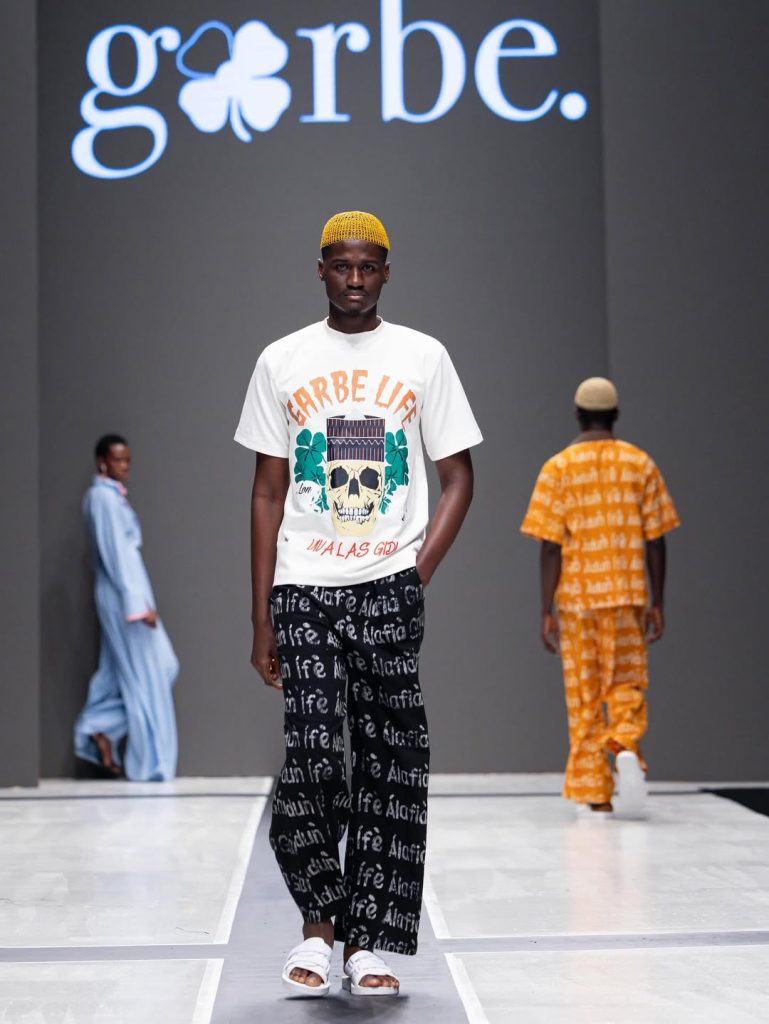
Fruché regurgitated that the best accessory is skin, Oshobor showed a non-threatening side of masquerades, Garbe went political with its display of past Nigerian leaders on t-shirts, and emerging designer, Dimeji Ilori, got spiritual about his upbringing, which was steeped in Yoruba tradition.
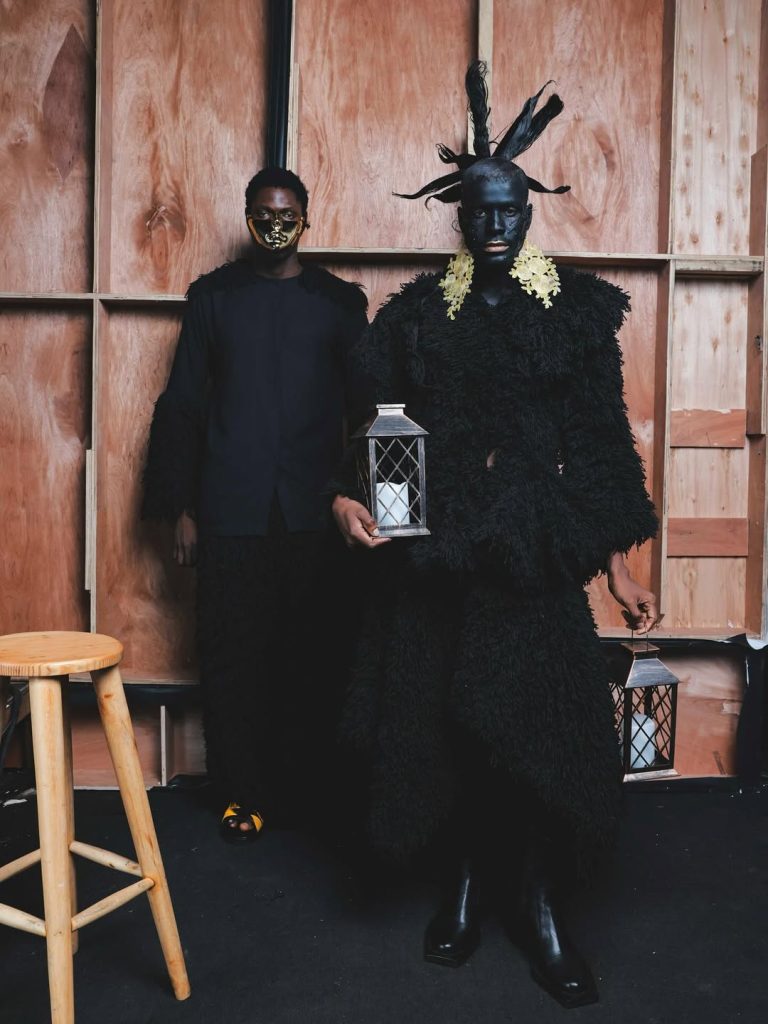
Read more on Lagos Fashion Week SS26, and Ciara’s role at it.
Abuja, are we going to have some fun?
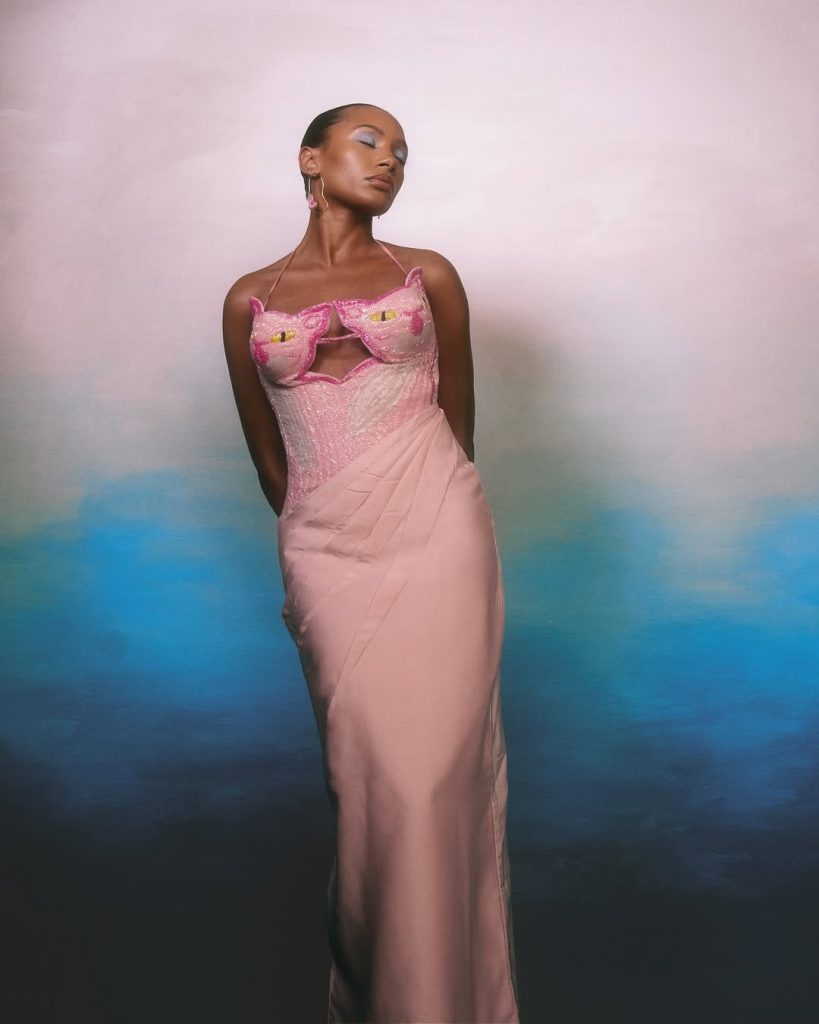
Another aspect that makes fashion so mesmerising and glamorous is the playfulness. Chanel is synonymous with Western elegance and prestige. Its runway shows often have a coveted wedding dress, known as the Chanel Bride. However, its creative director with the most longevity, Karl Lagerfeld, would publicly joke about making wedding dresses– his clients always seemed to end up divorced.
Playfulness is the bedrock for the fashion parties and after-parties. The Met Gala, Studio 54, Spotify’s Greasy Tunes, Boho and The Mudd Club; these are excellent examples of the fashion industry looking for escapism in the nightlife and entertainment scene.
This goes beyond the energy and into the designs. Brands like Pepper Row, AVAVAV, Weiz Dhurm Franklyn, Schiaparelli, and Vivienne Westwood constantly create worlds and theatrical collections.
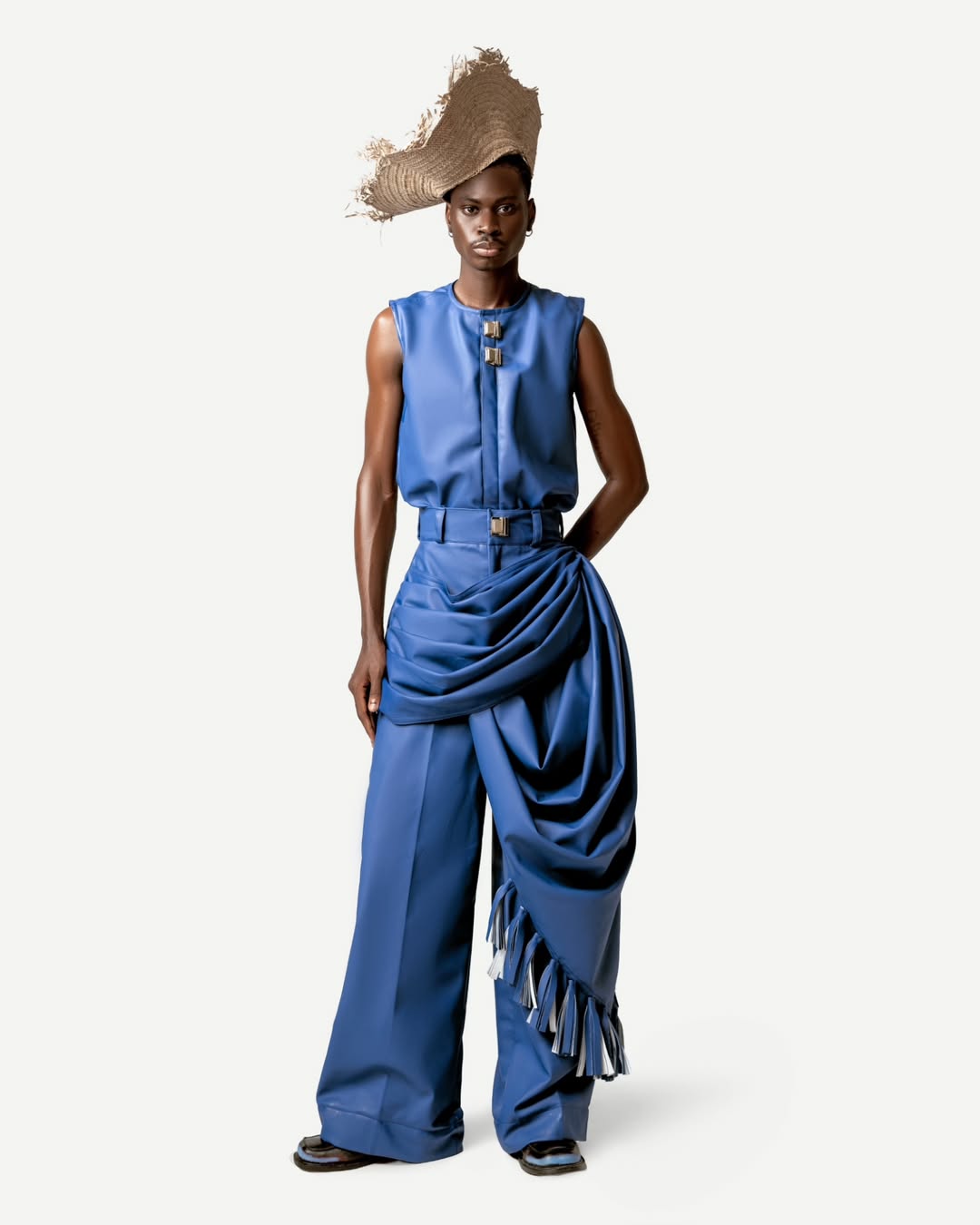
Abuja shies away from this, and its fashion scene is not forthcoming to people who are. This was evident at its recent fashion events, where the audience laughed when the flown-in Lagos models walked the runway. The notable models gave power struts with exaggerated hip movements, a signature of top models. It is fascinating watching people openly laugh at a fashion show; we think it, but societal ethics prevent it.
After the show, I asked a few guests what tickled their fancy, and the answers were so similar that it sounded almost rehearsed. “It is not ladylike to bounce when you walk.” It is fascinating to hear a response to a modern fashion question be a version of “It is against the rules”. It is a phrase that most of the industry was built in opposition to. We see this in subcultures like the Buffalo Stance, The New Romantics, Ballroom, and Punk.
Should Abuja give up?
Despite the heavy marketing, the Abuja society struggles to express that fashion is beyond the clothes. The city aims for perfection. To acknowledge the cracks in it is as difficult as finding the Kuje escapees. To discuss its history of flirtation with extremism will be branded a lie… Try bringing up the Miss World riots, and watch a textbook example of gaslighting play out. It’s impossible to create a fashion capital with no spine or thirst for the subversive. In a world of designers who turn history, fantasy, and pain into textiles, it is hard to turn one’s gaze to a city where you can guess what the average attendee is going to wear to the show.
However, this makes a perfect hotbed for a fashionquake; it might be difficult for a conservative city to retain attention with its constant exploration of luxury and wealth. But if this city were to turn this attitude on its head and give a reinterpretation of what it means to live in Abuja, then that will be new and maybe everyone will listen.